Like many parents of teenagers right now, my life feels very different to how it did this time last year. The ‘new normal’ – the endless rounds of washing and cooking, the inability to plan a holiday or visit family – is becoming increasingly irksome. But most of all, we worry about our children. Why are they in their rooms all day? Are they studying? What will happen about their exam grades, their university options and their friendships? When will they be able to go back to school? And most of all, are they happy?
This week, Anne Longfield, the Children’s Commissioner for England revealed new research showing the shocking toll that lockdown is taking on children’s mental health. Last month her office asked 2,000 children aged 8 to 17 years old about their experience of stress. She says, “not surprisingly many children told us that the virus was their biggest reason for feeling stressed”. Even more worryingly, a recent consultation found that a quarter of 15- year-olds are self-harming. No wonder more than half of parents reported worrying about their children’s mental health.
Earlier this month 30 organisations wrote to the Prime Minister, urging him to take steps to reduce the impact of coronavirus on the mental health of the young – “both now and in the future”.
Read More
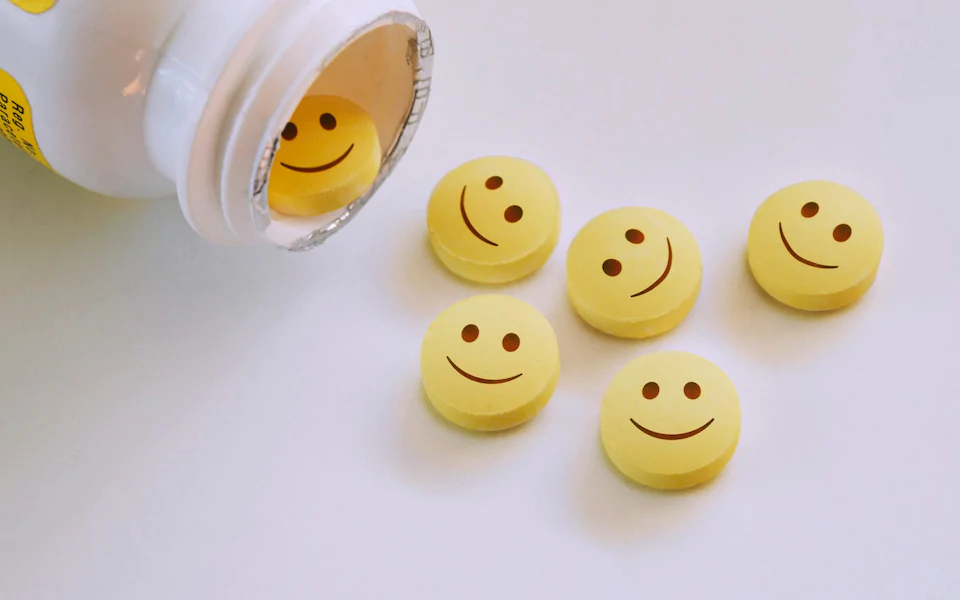
Study 329 was a clinical study that began in 1994 giving a new antidepressant to teenagers. It led to a fraud charge, a $3 billion fine, and a Black Box Warning. Despite now knowing that all trials of antidepressants done in children are negative, sales of these drugs to children and adolescents continue to increase dramatically.
NAMRATA GOSAVI
The word I keep hearing is numbness. Not necessarily a sickness, but feeling ill at ease. A sort of detachment or removal from reality. Deb Hawkins, a tech analyst in Michigan, describes the feeling of being stuck at home during the coronavirus pandemic as “sleep-walking through my life” or “wading through a physical and mental quicksand.” Even though she has been living in what she calls an “introvert heaven” for the past two months—at home with her family, grateful they are in good health—her brain has dissented. “I feel like I have two modes,” Hawkins says: “barely functioning and boiling angry.”
Read MoreAfter discussing important issues concerning the re-analyses of the FDA data on suicidal behavior in antidepressant (AD) trials by Kaminski and Bschor (2020) (henceforth KB) and Hengartner and Plöderl (2019) (henceforth HP), we decided to publish a collaborative response. We want to address several limitations of our publications and add information necessary for clarifying the controversial question if treatment with ADs is associated with increased suicide risk.
As Britain slowly unlocks, we are emerging blinking into the sunlight. But nine weeks of social distancing and self-isolating has left its mark. New evidence is starting to show that ‘mental illness’ — however you wish to define that — is on the rise. And, with Mental Health Awareness Week starting today (18th May), this issue is increasingly relevant.
Read More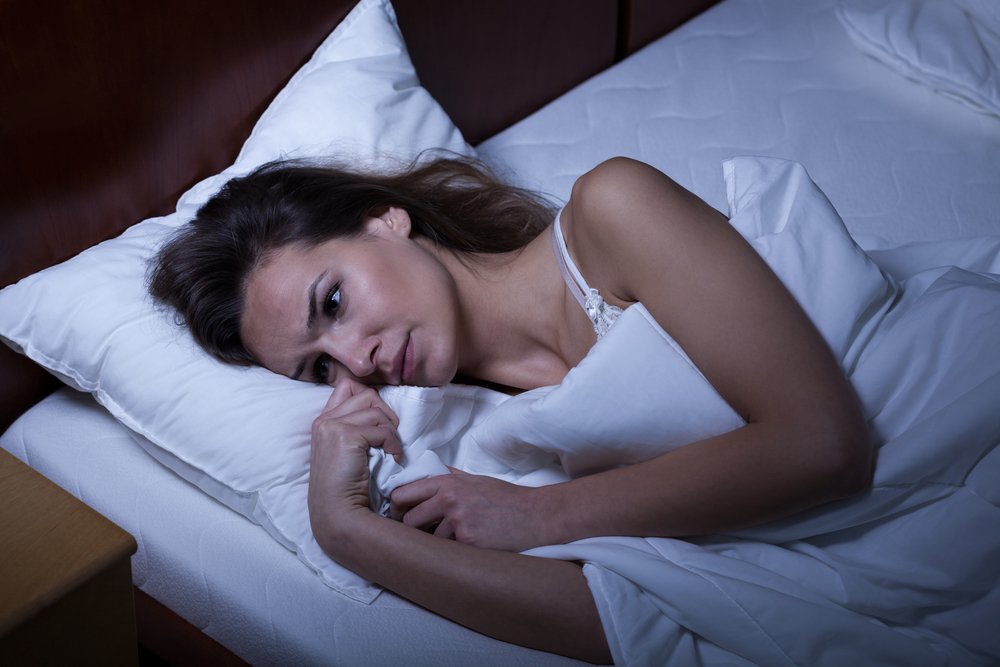
The steadily rising rate of suicide in the US is a vexing public health crisis. Between 2007 and 2017, suicide was the 10th leading cause of death, claiming the lives of nearly half a million people.1 It is perhaps even more striking that suicide is the fourth leading cause of death for individuals aged 35 to 54 as well as the second leading cause for those aged 10 to 34. Based on 2018 epidemiologic data, 1.4 million adults per year make a non-fatal suicide attempt and 10.4 million have serious thoughts of suicide.2 Among the many risk factors for suicidal thoughts and behaviors, one that consistently emerges as an independent risk factor is sleep disturbance (broadly defined) along with the specific sleep disorders of insomnia, nightmares, and sleep apnea.3,4
One reason that this sleep-suicide relationship is so important is that sleep disorders represent a modifiable risk factor. As noted a decade ago, several sleep medicine interventions can potentially make a difference in the lives of individuals who may be on a trajectory to suicide.5
It has yet to be firmly established if improving sleep actually reduces suicide. However, in a recent analysis of a large medical record study, it was observed that having a sleep medicine consultation was a protective factor for subsequent suicide attempts among those with a sleep disorder.6 There are also some indications that cognitive-behavioral therapy for insomnia (CBT-I) reduces suicidal thoughts.7,8
Read More‘When I lived with the Greenlandic Inuit, I found their high rate of depression was tied not to the sunless winter, but to the intimacy it forced.’ A village in Greenland. Photograph: Uriel Sinai/Getty Images
From now on, when someone who hasn’t experienced clinical depression and anxiety asks me what they feel like, I won’t have to resort to florid comparisons. I’ll say: “Remember when the Covid-19 pandemic hit town?” and they will understand. Except that for people with depression and related conditions, the present moment is one of escalated distress. For this is a double crisis, of physical and mental health, and those living the psychiatric challenges need not only acknowledgment but also treatment. I have had dozens of letters and Facebook messages from people who are anxiously upping their doses of antidepressant and anxiolytic medication.
My depression and anxiety share a lot of territory with how most other people feel now: fear of getting sick and dying, fear of losing people I love, fear of unpredictable shortages and economic disaster. Others worry whether their cough is a symptom of Covid-19 or just an allergy. I am in the sizeable part of the population who must seek to distinguish between ordinary fear and the beginnings of a breakdown. I’ve had to alert the doctors who oversee my mental health that I am Code Fragile and will count on them to help me discern whether I cross over from ordinary unhappiness into neurotic paralysis. I have had to cancel my planned withdrawal from a medication that makes me sleepy and fat; lowering my dose would leave me unsettled for a spell, and that’s more than I’m up for now.
Read MoreChronic pain is frequently comorbid with depression in clinical practice. Recently, alterations in gut microbiota and metabolites derived therefrom have been found to potentially contribute to abnormal behaviors and cognitive dysfunction via the “microbiota–gut–brain” axis.
PubMed was searched and we selected relevant studies before October 1, 2019. The search keyword string included “pain OR chronic pain” AND “gut microbiota OR metabolites”; “depression OR depressive disorder” AND “gut microbiota OR metabolites”. We also searched the reference lists of key articles manually.
This review systematically summarized the recent evidence of gut microbiota and metabolites in chronic pain and depression in animal and human studies. The results showed the pathogenesis and therapeutics of chronic pain and depression might be partially due to gut microbiota dysbiosis. Importantly, bacteria-derived metabolites, including short-chain fatty acids, tryptophan-derived metabolites, and secondary bile acids, offer new insights into the potential linkage between key triggers in gut microbiota and potential mechanisms of depression.

Some of the HBR edit staff met virtually the other day — a screen full of faces in a scene becoming more common everywhere. We talked about the content we’re commissioning in this harrowing time of a pandemic and how we can help people. But we also talked about how we were feeling. One colleague mentioned that what she felt was grief. Heads nodded in all the panes.
Read More